CURRENT
PROGRAMS
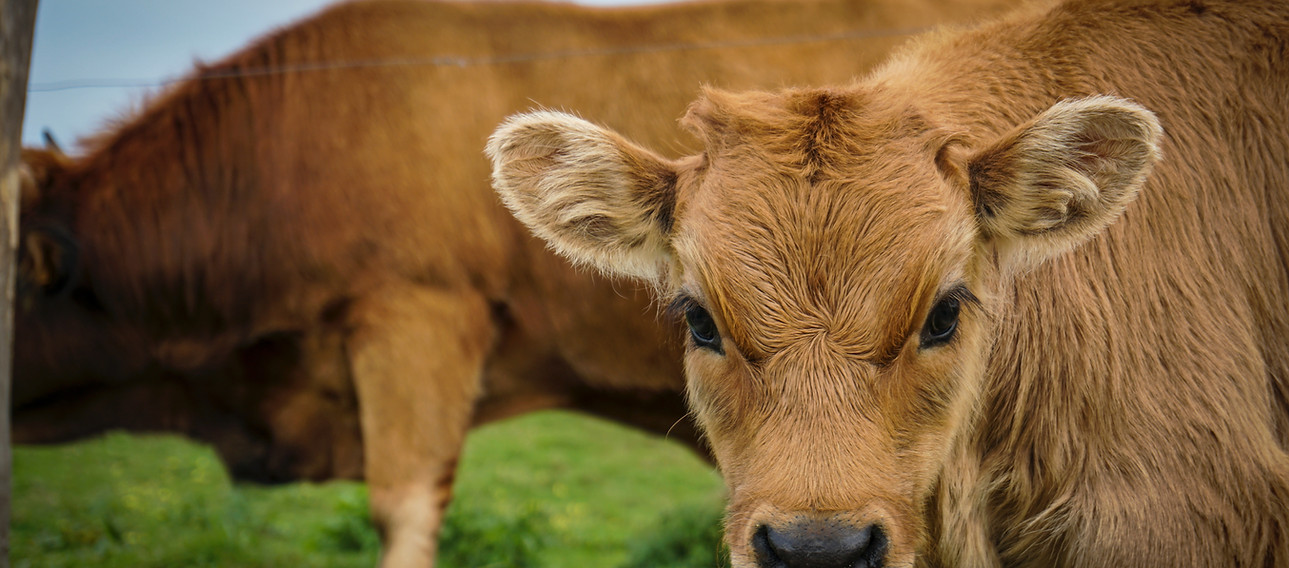
Rescuing young bulls and cows in the Northern Rivers of
New South Wales, Australia.
Foster Farms
Forever Farms (Adoption Program)
Sanctuaries - rented land for emergency rescues
Assisting with the costs for: transport, vet bills, food, water, fencing, emergencies (including natural disasters)and other needs. Contracts will be in place to protect the fostered and adopted animals from being sold for meat, dairy or breeding. Funds put aside to assist during natural disasters.
The Union believes it is a false economy to rent cheaper land in dry areas. The land chosen for the sanctuaries will be in a high rainfall area for better grazing (as feed is very expensive), provide shade and offer higher ground for floods.
Monthly donations keep the animals protected. One-time donations also assist of course. This is what keeps them safe.
If you are interested in fostering or adopting, or know of land to rent for the animals in the Northern Rivers of NSW.... you know what to do. To keep growing, we need to network.
There is a misconception that bulls are usually, if not always, dangerous due to their so-called aggressive temperament. They are deemed by many to be not safe for humans and can't engage with other bulls. This is similar to the reputation of sharks, but when sharks hired a new PR team, this resulted in an increase of humans opening their eyes and beginning to understand that sharks are not defined by this limited take on their nature.
The Union wants to show that bulls have a matching misunderstanding, with too many opinions over facts. That a lot of the beliefs surrounding farming and rescuing bulls is based on what grandpa said a few generations back and research surrounding life outside of being farmed appears to be limited. The Union is not wanting to farm bulls, we want them to be free and happy on one of our sanctuaries or forever farms (the adoption program). Cows can be aggressive and charge like bulls, and yet they have no gained a reputation for being dangerous, they are known as docile. There are many reasons, just like with dogs, why the trait of being aggressive can exist and it usually stems from negative human involvement.
With rescuing young bulls (six months onwards) from a short and hard life that ends in a slaughterhouse for their meat, many rescue organisations will not rescue bulls from this age on, even younger. This is due to: the misconception mentioned above, the high costs affiliated with desexing/castration, the life-threatening risks with castration at an older age - bleeding out, the uncertainty of anaesthetic on a large animal and volunteer's safety (linked to the misconception again - which has layers). A lack of funding, resources and other required needs, also plays a role too - where some organisations are open with assisting. Where a bull does have behavioural issues - most likely from abuse and poor living conditions - special consideration for their needs, and others, will be met. Bulls are also best placed away from cows.
The Animal Union is working with an experienced bull rescuer, who for many years has overseen rescued bulls that live in harmony, in unison. All the beautiful bulls are of different ages and from different farms. None have been castrated and their temperament has been generally calm. Sarah J, President of the Human Division, has been in a paddock many times with some of these bulls and experienced their peaceful nature first hand. Once they realised she didn't have treats, they just cruised off after some pats and scratches.
The reason behind this successful program is that their environmental needs are supplied at a sufficient level. Plenty of grazing, feed when grazing options are low, water, shade, space, fencing and health issues addressed - all key factors to maintaining peace in the herd. Keeping cows at a distance is an important contributing factor as mentioned above.
By not desexing the bulls, the money that would be allocated to the hefty bills that comes with this unpredictable procedure, can go towards rescuing more farmed animals. The castration of bulls to create a calm temperament can only be connected to hearsay. To rescue bulls, is to think about them differently to farmers. As farmers see them for breeding, meat and dairy. Some use them for retired farms, giving them a grazing role... but The Union is yet to find a farmer that does not sell the bulls - with grandpa's misconception present again. The Animal Union wants to treat them as individuals, giving them respect and understanding who they are.
